
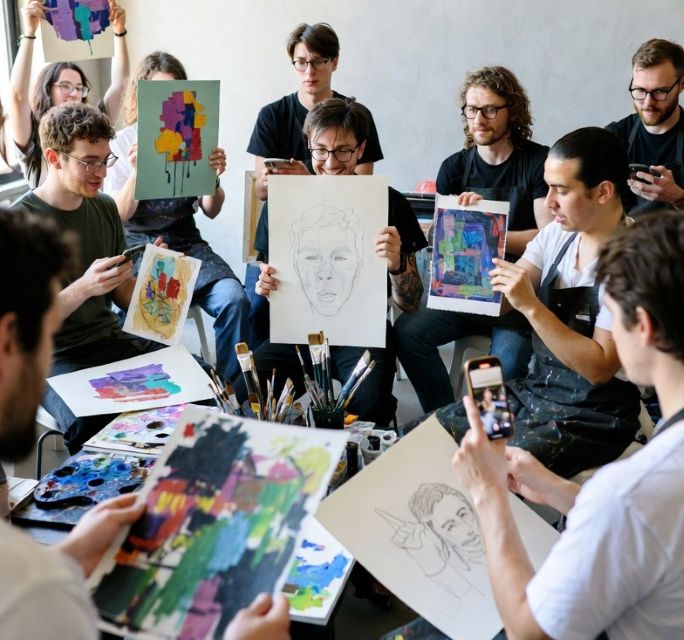
Pew Research Center reports that nearly 70% of adults in the United States use social media daily, with Reddit standing out as a hub for niche communities. For artists, designers, and wellness creators, this digital stage offers both promise and pressure. The chance to be seen is alluring, but the path to recognition is rarely straightforward.
Many creatives discover the existence of tools like an upvoting service, marketed as shortcuts to visibility. The idea is simple: buy votes, climb the feed, and gain traction. For artists posting in Reddit’s art forums or fashion designers showcasing sketches, the temptation is real. Yet beneath the surface lies a conflict. Is this growth genuine, or just a hollow echo of numbers?
The dilemma is widespread. In fashion communities, emerging designers often struggle to stand out against fast-fashion giants. McKinsey’s State of Fashion report highlights that digital visibility is now critical for survival. In health and wellness spaces, credibility is even more fragile. A sudden surge in likes or votes can raise suspicion, undermining trust in advice. These challenges underscore the emotional weight behind every decision to seek shortcuts.
The Emotional Trade-Off
For many creatives, the idea of purchasing votes feels like harmless promotion, no different from advertising. Yet the language of “boosting credibility” often clashes with the desire to build communities that value substance. Research shows audiences are increasingly skeptical of manipulated engagement. Harvard Business Review notes that authenticity drives long-term loyalty, while artificial growth collapses once novelty fades.
The lure of instant recognition is powerful. Artists imagine their work trending, their names circulating, opportunities arriving. Yet they also picture the emptiness of applause that wasn’t earned. The creative process risks becoming transactional, focused on metrics rather than craft. This emotional toll is rarely discussed, but it shapes the mental health of many online creators. The American Psychological Association has linked social media validation cycles to heightened anxiety and burnout, especially among young professionals.
Organic Growth and Its Challenges
Choosing authenticity often means slower progress. Artists experiment with storytelling captions, sharing the inspiration behind each piece. Designers reveal behind-the-scenes struggles, while health advocates discuss personal journeys. These approaches build relationships and trust. As seen in blending visual art and storytelling, creative expression thrives when narrative and imagery work together to form genuine connections. Nielsen data shows that consumers respond positively to brands and individuals who reveal process and vulnerability rather than polished perfection.
Organic growth demands patience. It requires resilience against constant comparison to peers who seem to skyrocket overnight. For many creatives, every small milestone matters: a thoughtful comment, a returning follower, a collaboration offer. These are signs of genuine traction, even if they lack the glamour of sudden virality.
The Broader Creative Landscape
The tension between authenticity and manipulation extends across industries. In health communities, influencers who rely on artificial boosts risk spreading misinformation. The World Health Organization has warned of the dangers of unverified health content gaining traction online. In fashion, inflated engagement can mislead investors or collaborators, creating fragile partnerships. Across art, health, and fashion, the dilemma reflects a deeper question: is visibility worth compromising integrity?
For many artists, the answer is personal. Some rationalize shortcuts as marketing tactics. Others decide that the slower path aligns better with their values. The trade-off is clear: viral numbers may open doors, but authenticity builds trust that lasts.
Conclusion: Choosing Integrity Over Illusion
In the end, many creatives reject the idea of purchased votes. Their work deserves audiences that value it genuinely, not ones inflated by artificial promotion. While services promising instant popularity exist, the long-term health of a creative career depends on trust, connection, and resilience. Synonyms for these shortcuts (paid boosts, engagement manipulation, artificial promotion) may sound appealing in moments of frustration, but they rarely sustain meaningful growth.
The creative’s dilemma online is timeless: chase the spotlight or nurture the craft. For artists, designers, and wellness advocates, staying authentic may be slower, but it ensures that when recognition arrives, it is real. And in communities built on passion, whether health, fashion, or art, that authenticity is the foundation of lasting success.