Nail That Accent is a blogging website that shares ideas related to Health, Fashion, Art. A Space for Health, Fashion, and Art Nail That Accent is not a…
Fashion is deeply tied to culture and traditions, from African prints to Japanese kimonos. Social movements influence fashion (e.g., gender-neutral clothing, eco-friendly fabrics). Celebrities and influencers play a…
Art is a powerful form of human expression that transcends time, culture, and language. It reflects emotions, ideas, and societal changes, making it a vital part of history…
Motivational Quote
"Children are not things to be molded, but are people to be unfolded.
"Children are great imitators, so give them something great to imitate."
Managing Your Health With Nutrition
Eat a balanced diet rich in fruits, vegetables, whole grains, and lean proteins. Limit processed foods, sugar, and excessive salt. Stay hydrated by drinking plenty of water. Control…
The World Health Organization recognizes that environmental conditions influence health and well-being, while studies from Princeton University Neuroscience Institute have found that excessive visual clutter can reduce the brain’s ability to focus on tasks. These findings help explain why many artists, designers, and makers periodically reorganize their workspaces or seek professional assistance with property clearance. Whether clearing a home studio, shared workshop, or creative office, property clearance services in Vienna (büroentrümpelung Wien) are often considered when spaces become difficult to manage after years of accumulated equipment, materials, and furniture.
Creative Spaces Reflect Different Working Styles
Creative work rarely follows a single pattern. Some artists thrive in busy environments surrounded by reference materials, unfinished projects, and collections of tools. Others perform best in carefully organized spaces where every item has a designated place. Both approaches have strengths, yet every creative environment eventually reaches a point where accumulated belongings begin to interfere with productivity rather than support it.
This contrast creates an ongoing discussion within creative industries. A workspace filled with sketches, fabric samples, paints, cameras, wood, or sewing equipment may inspire new ideas. At the same time, excessive accumulation can reduce usable space, increase cleaning requirements, and make it harder to locate essential supplies.
Professional property clearance offers a structured way to separate valuable materials from unnecessary clutter without assuming that every stored item has lost its purpose.
Cluttered Versus Organized Creative Environments
A cluttered studio often develops gradually. New projects bring additional materials, while completed work leaves behind packaging, broken equipment, unused furniture, and outdated storage systems. Because creative professionals frequently reuse supplies, items that appear unnecessary may remain untouched for years.
Research published by the Princeton University Neuroscience Institute indicates that multiple competing visual stimuli can limit a person’s ability to concentrate. While creative work certainly benefits from inspiration and experimentation, excessive visual distractions may slow decision-making and reduce efficiency during detailed tasks.
An organized creative space presents a different experience. Essential tools remain accessible, storage areas become easier to maintain, and projects move more smoothly from planning to completion. Organization does not require minimalism. Instead, it focuses on making the environment functional while preserving materials that continue to serve a practical purpose.
The Debate Around Keeping Creative Materials
Many creative professionals hesitate to dispose of old materials because they believe every object could inspire a future project. This concern is understandable. Fabric remnants, reclaimed wood, vintage frames, unused canvases, or decorative hardware often become valuable resources later.
However, keeping everything creates its own challenges. Materials stored without labels or proper organization may deteriorate through moisture, dust, or accidental damage before they can be reused.
A balanced approach emphasizes evaluation instead of automatic disposal. Reusable materials can be sorted, cleaned, and stored properly. Damaged or unusable items can enter appropriate recycling or waste management systems. Objects with artistic or educational value may even be donated to schools, community workshops, nonprofit organizations, or local art programs where they continue serving useful purposes.
Property Clearance Beyond Residential Homes
Property clearance is commonly associated with moving house or managing inherited properties, yet creative environments present different requirements. Studios and workshops often contain specialized equipment, large worktables, shelving units, lighting systems, paints, textiles, electronic devices, and construction materials.
These items require careful sorting because disposal rules differ depending on the material. Electronics may qualify as electronic waste, while chemicals, solvents, batteries, and certain paints require specialized handling.
Data from the European Environment Agency shows that improving waste separation increases opportunities for recycling and material recovery while reducing environmental impacts. Careful sorting during creative workspace clearances supports these broader sustainability objectives.
Health and Indoor Cleanliness
Workspace organization influences more than productivity. Indoor cleanliness directly affects comfort and long-term maintenance.
Dust commonly collects beneath shelving, behind storage cabinets, and inside overcrowded work areas. Textile studios generate fabric fibers, woodworking shops produce sawdust, and ceramics workshops accumulate fine clay particles. When spaces remain overcrowded, routine cleaning becomes increasingly difficult.
The United States Environmental Protection Agency (EPA) explains that good housekeeping practices help reduce indoor pollutants and improve overall indoor environmental quality. Although clutter alone does not automatically create unhealthy conditions, excessive accumulation often makes regular cleaning less effective. The importance of maintaining clean, well-maintained creative environments extends beyond appearance, helping studios and workshops remain functional while supporting healthier conditions for artistic and design work.
After unnecessary items are removed, floors, ventilation systems, storage areas, and work surfaces become easier to maintain. This supports a cleaner environment for artists, designers, employees, clients, and family members using shared creative spaces.
Preserving What Still Has Value
Property clearance should not be viewed as removing everything from a workspace. A thoughtful process focuses on identifying what deserves preservation.
Reusable art supplies can remain available for future projects.
Functional furniture may be relocated within the workspace.
Vintage equipment with historical or creative value can be preserved.
Unused materials suitable for education or community projects may be donated.
Damaged items can be recycled whenever appropriate facilities exist.
This approach reduces unnecessary waste while supporting responsible resource management.
Supporting Creative Efficiency Without Limiting Creativity
Creative professionals often worry that too much organization may reduce spontaneity. Yet organization and creativity do not have to compete.
An efficient workspace still allows experimentation while making everyday tasks easier. Clear walkways improve safety, labeled storage saves time, and dedicated work areas help separate ongoing projects from completed ones. Designers can focus on developing new collections, artists can concentrate on producing work, and hobbyists can enjoy their studios without constantly searching for misplaced supplies.
The discussion therefore shifts away from choosing between clutter and perfection. Instead, it becomes a question of maintaining a workspace that supports creative thinking without allowing accumulated belongings to become obstacles.
Conclusion
Creative environments naturally evolve as projects, materials, and equipment accumulate over time. Some degree of organized complexity may inspire artistic work, while excessive clutter can reduce efficiency, complicate cleaning, and limit available workspace. Comparing these two approaches highlights that successful studios are rarely defined by how much they contain, but by how effectively they function.
Professional property clearance contributes by helping owners evaluate possessions carefully, preserve reusable materials, donate valuable supplies, and dispose of waste responsibly. Combined with thoughtful organization and regular maintenance, these practices create healthier studios, workshops, and home creative spaces that remain practical without sacrificing the flexibility that creative work often requires.
Pew Research Center reports that nearly 70% of adults in the United States use social media daily, with Reddit standing out as a hub for niche communities. For artists, designers, and wellness creators, this digital stage offers both promise and pressure. The chance to be seen is alluring, but the path to recognition is rarely straightforward.
Many creatives discover the existence of tools like an upvoting service, marketed as shortcuts to visibility. The idea is simple: buy votes, climb the feed, and gain traction. For artists posting in Reddit’s art forums or fashion designers showcasing sketches, the temptation is real. Yet beneath the surface lies a conflict. Is this growth genuine, or just a hollow echo of numbers?
The dilemma is widespread. In fashion communities, emerging designers often struggle to stand out against fast-fashion giants. McKinsey’s State of Fashion report highlights that digital visibility is now critical for survival. In health and wellness spaces, credibility is even more fragile. A sudden surge in likes or votes can raise suspicion, undermining trust in advice. These challenges underscore the emotional weight behind every decision to seek shortcuts.
The Emotional Trade-Off
For many creatives, the idea of purchasing votes feels like harmless promotion, no different from advertising. Yet the language of “boosting credibility” often clashes with the desire to build communities that value substance. Research shows audiences are increasingly skeptical of manipulated engagement. Harvard Business Review notes that authenticity drives long-term loyalty, while artificial growth collapses once novelty fades.
The lure of instant recognition is powerful. Artists imagine their work trending, their names circulating, opportunities arriving. Yet they also picture the emptiness of applause that wasn’t earned. The creative process risks becoming transactional, focused on metrics rather than craft. This emotional toll is rarely discussed, but it shapes the mental health of many online creators. The American Psychological Association has linked social media validation cycles to heightened anxiety and burnout, especially among young professionals.
Organic Growth and Its Challenges
Choosing authenticity often means slower progress. Artists experiment with storytelling captions, sharing the inspiration behind each piece. Designers reveal behind-the-scenes struggles, while health advocates discuss personal journeys. These approaches build relationships and trust. As seen in blending visual art and storytelling, creative expression thrives when narrative and imagery work together to form genuine connections. Nielsen data shows that consumers respond positively to brands and individuals who reveal process and vulnerability rather than polished perfection.
Organic growth demands patience. It requires resilience against constant comparison to peers who seem to skyrocket overnight. For many creatives, every small milestone matters: a thoughtful comment, a returning follower, a collaboration offer. These are signs of genuine traction, even if they lack the glamour of sudden virality.
The Broader Creative Landscape
The tension between authenticity and manipulation extends across industries. In health communities, influencers who rely on artificial boosts risk spreading misinformation. The World Health Organization has warned of the dangers of unverified health content gaining traction online. In fashion, inflated engagement can mislead investors or collaborators, creating fragile partnerships. Across art, health, and fashion, the dilemma reflects a deeper question: is visibility worth compromising integrity?
For many artists, the answer is personal. Some rationalize shortcuts as marketing tactics. Others decide that the slower path aligns better with their values. The trade-off is clear: viral numbers may open doors, but authenticity builds trust that lasts.
Conclusion: Choosing Integrity Over Illusion
In the end, many creatives reject the idea of purchased votes. Their work deserves audiences that value it genuinely, not ones inflated by artificial promotion. While services promising instant popularity exist, the long-term health of a creative career depends on trust, connection, and resilience. Synonyms for these shortcuts (paid boosts, engagement manipulation, artificial promotion) may sound appealing in moments of frustration, but they rarely sustain meaningful growth.
The creative’s dilemma online is timeless: chase the spotlight or nurture the craft. For artists, designers, and wellness advocates, staying authentic may be slower, but it ensures that when recognition arrives, it is real. And in communities built on passion, whether health, fashion, or art, that authenticity is the foundation of lasting success.
Cleaning professionals rarely occupy the spotlight. Their work happens quietly, often while others are away, yet its impact touches nearly every aspect of daily life. In fact, cleanliness has strong resemblance in health, fashion and art as similar to these three, it is important to have system to achieve and maintain balance.
Health Begins at Home
A professionally cleaned home is more than visually pleasing. Dust, pet dander, mold spores, and bacteria accumulate quickly in modern indoor environments. Without structured cleaning systems, these invisible irritants linger in carpets, upholstery, and air vents, quietly affecting respiratory health and immune resilience.
Professional house cleaners approach these challenges methodically. They use targeted tools and techniques to remove allergens at their source rather than simply redistributing them. High-touch surfaces such as doorknobs, light switches, and countertops are disinfected to reduce microbial spread.
Kitchens and bathrooms, often the most bacteria-prone spaces, receive focused sanitation that minimizes contamination risks.
The result is not just cleanliness but a measurable reduction in environmental stressors. For individuals with asthma or allergies, this can mean fewer flare-ups. For families, it means a safer living space. And for everyone, it supports mental well-being.
Cleanliness as Personal Presentation
There is a real connection between a well-kept home and personal style. In fashion, presentation communicates intention. Well-polished shoes, keen eye for details, and crips tailoring are all signaling thoughtful process. Similarly, an organized, spotless home reflects thoughtful living.
Professional house cleaners help cultivate this sense of refinement. Just as a stylist ensures that fabrics hang properly and colors harmonize, cleaners ensure that surfaces shine, lines are clear, and rooms feel cohesive.
This connection extends beyond aesthetics. When a home is consistently maintained, it reinforces habits of discipline and self-respect. Guests perceive the environment as welcoming and composed. Residents feel more confident hosting gatherings or working from home.
A Blank Canvas for Creativity
Artists often speak of the importance of space, both literal and mental. A chaotic environment competes for attention, fragmenting focus. A clean space, by contrast, functions like a blank canvas.
Professional house cleaners provide this blank canvas. By removing visual noise and restoring order, they create conditions where imagination can unfold freely. Writers concentrate more easily at uncluttered desks. Designers see color palettes more clearly against neutral surroundings. Musicians and creators feel less constrained when their environment feels expansive rather than crowded.
Even for those who do not identify as artists, creativity plays a role in everyday problem-solving and self-expression. A clean environment reduces distraction and cognitive overload, allowing ideas to connect fluidly. In this way, professional cleaning supports productivity not through direct participation in creative work, but by enabling the mental clarity required for it.
The Infrastructure of Intentional Living
Professional house cleaners operate as behind-the-scenes contributors to intentional living. Their work forms a structural layer that supports health, style, and artistic exploration. Without this foundation, efforts in other areas often feel strained. Trying to maintain wellness in a dusty environment, cultivate style in disorder, or generate ideas amid clutter can feel like swimming against a current.
By contrast, a systematically cleaned space becomes a platform. It sustains respiratory health, reinforces polished self-presentation, and nurtures creative freedom. What appears to be simple housekeeping is environmental design.
Health, fashion, and art are some of the most active topics online today. Millions of people join digital communities to discuss fitness goals, share personal style, explore creativity, and connect with others who have similar interests. Platforms like Discord have become popular spaces for these conversations because they allow people to communicate in real time while organizing topics into dedicated channels.
A single Discord server can now bring together artists, fashion enthusiasts, wellness advocates, designers, photographers, and fitness communities from around the world. These spaces often become more than casual chat groups. They turn into support systems, learning platforms, and creative hubs where people exchange ideas and inspire one another.
Because competition online is intense, many community owners want fast growth. Some search for ways to grow your Discord server quickly through promotional tools, artificial engagement, or paid membership services. Larger numbers may create the appearance of popularity, but long-term success depends on something much more important: authentic interaction.
Communities focused on health, fashion, and art thrive when people genuinely participate. Members stay active because they feel inspired, supported, and connected. Real engagement creates stronger relationships, better conversations, and more sustainable growth than inflated numbers ever could.
Why Health, Fashion, and Art Communities Are Growing Online
Digital communities have changed the way people learn and express themselves. Years ago, someone interested in fashion or art often depended on magazines, local classes, or in-person events. Today, online platforms provide instant access to global trends, tutorials, and conversations.
Health communities have grown rapidly because people increasingly want support for fitness, nutrition, mental wellness, and self-care. Many users join Discord servers to share progress, ask questions, and stay motivated. Group accountability often helps people remain consistent with their goals.
Fashion communities attract users who enjoy discussing trends, personal style, clothing brands, photography, and design inspiration. These servers may include outfit reviews, shopping discussions, styling advice, or conversations about sustainable fashion.
Art communities are especially active online because creative work benefits from collaboration and feedback. Artists share illustrations, digital paintings, photography, animation, and design projects while receiving encouragement from other members. Many creators also use Discord to network professionally and find clients or collaborators.
The appeal of these communities comes from human connection. People enjoy spaces where they can express themselves freely and interact with others who understand their interests.
Because of this popularity, server owners often feel pressure to expand quickly. They want larger communities because bigger servers appear more successful. This is one reason many people search online for methods to grow your Discord server rapidly.
However, visible size does not always reflect real quality. A server with thousands of inactive members may feel empty, while a smaller but active community can feel welcoming and valuable.
Discord also explains in its safety policies that artificial engagement and manipulated growth practices can violate platform guidelines. Communities that rely too heavily on fake engagement may struggle to build genuine trust with real users.
Authentic participation matters especially in health-related communities. Members discussing fitness, mental wellness, or personal struggles often seek supportive and trustworthy environments. Fake activity weakens that sense of connection.
The same applies to fashion and art communities. Creative discussions depend heavily on honest feedback and collaboration. People join because they want meaningful interaction, not just impressive numbers.
What Makes a Discord Community Successful
Successful online communities are usually built around a clear identity and purpose. Members should immediately understand what the server represents and why it exists.
For example, a health-focused Discord server may specialize in beginner fitness support, mental wellness discussions, or nutrition education. A fashion server may focus on streetwear, luxury fashion, sustainable clothing, or outfit inspiration. An art community may center around digital illustration, photography, animation, or creative networking.
Clear organization helps communities feel more professional and welcoming. Channels should be easy to navigate so members can quickly find relevant discussions. Separate spaces for introductions, announcements, resources, and topic-specific conversations improve the user experience.
Strong moderation also plays a major role. Communities involving health, fashion, and art often attract emotionally sensitive discussions. Members may share insecurities about body image, creative confidence, or personal struggles. Moderators help maintain respectful interactions and prevent harassment or negativity.
Consistency creates long-term engagement. Communities become stronger when administrators regularly post useful content, host discussions, and encourage participation. Health servers may organize fitness challenges or wellness check-ins. Fashion communities may host outfit contests or trend discussions. Art servers may run drawing challenges or portfolio reviews.
Visual content is especially important in fashion and art communities. Members enjoy sharing creative work, inspiration boards, photography, and design concepts. High-quality visuals naturally encourage interaction and discussion.
Education also adds value. Tutorials, guides, live workshops, and question-and-answer sessions help members improve their skills and stay engaged. People remain active in communities where they continue learning new things.
One major mistake many server owners make is focusing too heavily on numbers instead of culture. Artificially trying to grow your Discord server without building meaningful interaction often creates inactive spaces where members rarely participate.
Healthy communities grow through relationships. Members invite friends because they enjoy the environment. Conversations feel natural because people genuinely care about the topics being discussed. This type of growth may take longer, but it creates stronger long-term results.
Building a Community That Inspires People
Communities focused on health, fashion, and art have the power to positively influence people’s lives. These spaces often provide confidence, emotional support, motivation, and creative inspiration.
Health communities can encourage healthier lifestyles and better mental wellness habits. People often feel less alone when they share their progress and challenges with supportive groups. Accountability and encouragement help members stay consistent with personal goals.
Fashion communities allow people to explore identity and self-expression. Clothing and personal style often reflect confidence, creativity, and individuality. Supportive discussions help members experiment with new ideas without fear of judgment.
Art communities provide emotional and creative outlets. Many artists struggle with self-doubt or creative burnout. Positive feedback and collaboration help creators remain motivated and inspired.
Because these communities influence people emotionally, authenticity becomes extremely important. Members can usually tell when a server feels artificial or overly focused on appearances. Communities built only around large numbers often struggle to create meaningful culture.
Real leadership involves creating spaces where people feel comfortable participating. Administrators should encourage respectful discussion, celebrate member contributions, and focus on long-term community health rather than short-term popularity.
Partnerships and collaborations can also help communities grow naturally. Working with creators, wellness advocates, designers, or artists introduces new members who are genuinely interested in the community’s purpose.
Events create stronger engagement as well. Live discussions, creative showcases, workshops, and community challenges help members feel more connected. Interactive experiences often create deeper relationships than passive conversations alone.
Transparency builds trust. Members should understand the rules, expectations, and goals of the server. Honest communication from moderators and administrators helps create a healthier environment.
Most importantly, communities should focus on creating value. Trying to grow your Discord server only through numbers may increase visibility temporarily, but real success comes from helping people feel connected and inspired.
The internet continues changing how people express themselves, learn new skills, and build friendships. Health, fashion, and art communities will likely continue growing because they provide spaces for creativity, support, and personal development.
However, technology alone does not create strong communities. Human connection remains the foundation of meaningful interaction. People stay where they feel respected, understood, and encouraged.
Traffic safety data shows that clear forward visibility is one of the strongest factors in preventing road accidents. A small crack across your windshield may seem minor, but it can quietly undermine your health, focus, and safety every time you drive.
A damaged windshield bends light and creates visual distortion, especially in bright Texas sun or nighttime glare. Drivers often squint, lean forward, or tense their shoulders to compensate, which raises fatigue and stress levels. When cracks spread into the driver’s line of sight, many motorists choose to replace windshield glass before it becomes a constant source of distraction or risk.
Vision Strain and Slower Reaction Time
Your eyes and brain work together to process motion, distance, and speed. A cracked windshield disrupts that process. Light refracts through the damaged glass, creating double images or blur. Over time, this forces your eyes to work harder than they should.
That strain has real consequences. Slower reaction time can make the difference between braking safely and missing a hazard. Studies on driver fatigue consistently show that visual stress contributes to delayed decision-making. Even if the crack feels familiar, your body is still compensating for it.
Stress Behind the Wheel Affects Overall Health
Driving already demands focus, patience, and emotional control. Add a cracked windshield, and stress levels rise further. Many drivers report feeling anxious about the crack spreading, getting pulled over, or failing inspection. That constant background worry increases tension. Managing these stressors not only supports safer driving but also demonstrates how health influences everyday choices, from posture to focus, and even the way we plan our routines.
Stress while driving can elevate heart rate and blood pressure. It also makes aggressive reactions more likely, especially in traffic. Removing that source of distraction by scheduling a timely windshield fix helps restore a calmer driving experience, which supports long-term wellbeing.
The Windshield’s Role in Crash Protection
Most drivers think of the windshield as simple glass, but it plays a critical role in vehicle safety systems. Modern windshields provide structural support to the car’s roof. In a rollover accident, an intact windshield helps prevent the roof from collapsing inward.
Airbags also rely on the windshield. During deployment, the passenger-side airbag often uses the glass as a backstop to cushion occupants correctly. If the windshield is cracked or weakened, the airbag may deploy improperly, reducing its effectiveness during a collision.
Small Damage Can Become a Big Problem Fast
Temperature changes, road vibration, and moisture all make cracks spread. A short drive over a pothole or sudden cold front can turn a chip into a long fracture across the glass. Once that happens, repair is usually no longer an option.
Choosing to replace windshield glass early prevents that chain reaction. It also reduces the risk of glass shattering during an impact or even from a strong door slam. Prevention costs less than waiting for a failure.
Mobile Replacement Makes Safety Easier
One reason drivers delay windshield replacement is inconvenience. Taking time off work or arranging transportation feels like a hassle. Mobile auto glass services remove that barrier by coming directly to your home or workplace.
Professional mobile technicians handle calibration, sealing, and cleanup on-site. For busy families or commuters in San Antonio, this approach minimizes downtime while restoring full safety standards. You stay productive while your car becomes safer.
Clear Glass, Clear Mind
A clean, undamaged windshield improves confidence behind the wheel. Visibility feels sharper, posture relaxes, and driving becomes less mentally demanding. Over time, that clarity supports better mood, focus, and road awareness.
When drivers finally replace windshield damage, many are surprised by how much easier driving feels. It is a reminder that small vehicle issues can have outsized effects on daily health and safety.
Protect Your Health Before Damage Escalates
Cracked windshields rarely fix themselves. They worsen quietly until they interfere with safety systems or put drivers at risk. Acting early protects vision, reduces stress, and ensures your vehicle performs as designed during emergencies.
Scheduling service to replace windshield glass is a practical step toward safer, healthier driving. Clear glass supports clear thinking, faster reactions, and peace of mind every time you take the wheel.
Fresh ingredients grown under the Moroccan sun have shaped daily meals for generations, which is why many diners visiting Marrakech are surprised by how naturally wellness fits into the city’s food culture. The balance of color, texture, and nutrition feels effortless here. Local chefs work with produce that is rich in flavor and grounded in tradition, giving healthy eating a stylish and artistic twist.
The dining scene thrives on that blend of health and beauty. Guests exploring restaurants in Marrakech discover places that celebrate fresh herbs, vibrant spices, and bold design choices. These venues make every meal feel like a lifestyle moment. The atmosphere is fashionable, yet still rooted in warm hospitality. This balance attracts travelers who want a sensory experience that connects food, culture, and style.
A City Where Healthy Eating Becomes Art
Marrakech chefs often look at a plate like a painter looks at a canvas. They build dishes that highlight fresh produce, whole grains, nuts, and lean proteins. You might see a simple carrot transformed through roasting, spicing, and plating. You might taste a salad that mixes oranges, dates, and toasted almonds for a perfect blend of sweetness and crunch.
What stands out is how wellness blends with flair. Many kitchens embrace traditional ingredients like:
Argan oil, known for its rich nutrients and subtle flavor.
Preserved lemons, used to brighten stews and salads.
Fresh mint, added to teas, sauces, and desserts.
Turmeric and cumin, key spices linked to health benefits.
These elements help restaurants craft food that feels satisfying without being heavy. Each plate feels like a creative tribute to Morocco’s natural bounty.
Design That Feeds the Senses
Healthy dining in Marrakech goes beyond ingredients. The design of the spaces adds to the experience. Many restaurants feature soft earth tones, carved wood, warm lighting, and handmade tiles. These interiors reflect the city’s deep artistic heritage.
Some venues open into garden courtyards with olive trees and fountains. Others mix bold fabrics with modern lines, turning dinner into a full sensory journey. This attention to detail creates a visual rhythm that matches the creativity seen on the plate.
Fashionable Settings Fit for Modern Diners
Dining out in Marrakech feels stylish without trying too hard. People dress comfortably, yet with flair. Chefs curate meals like fashion collections, with seasonal menus that shift colors and flavors. This gives each visit a new and exciting feel. Readers interested in how culture shapes style can explore this deeper through this resource on cultural influence in modern style.
Within this atmosphere, it is easy to see why travelers and locals treat eating out as part social gathering, part wellness ritual. Many top restaurants in Marrakech combine relaxed elegance with smart cooking, helping guests appreciate the city’s culture through every bite.
A Healthy Twist on Traditional Moroccan Dishes
Traditional Moroccan cooking already leans toward balanced nutrition. Couscous, tagines, and mezze plates often highlight vegetables, spices, and proteins. Chefs today build on these foundations. They reduce heavy oils, introduce new plant-based options, and present meals that feel both contemporary and familiar.
Tagines prepared with light broths and seasonal vegetables.
Grain bowls inspired by couscous traditions.
Creative desserts that use honey or fruit for natural sweetness.
Herbal teas that calm and refresh.
This thoughtful approach keeps the soul of Moroccan cuisine intact while offering healthier choices for today’s diners.
The Experience Comes Together
Marrakech offers more than good food. It offers a complete moment, one where wellness, artistic design, and cultural flavor blend naturally. Visitors leave with memories shaped by taste, color, and movement. They leave with a sense of connection to a city that values tradition and creativity at the same time.
Anyone planning a visit should take time to explore restaurants in Marrakech and enjoy how chefs celebrate local ingredients and visual beauty. These places show how healthy eating can feel luxurious, meaningful, and stylish.
Final Thoughts
Marrakech shows that wellness and creativity can share the same table. Healthy meals feel more alive when surrounded by color, art, and culture. The best restaurants in Marrakech bring these elements together so guests can enjoy food that nourishes the body and inspires the senses. It is a dining experience shaped by tradition and lifted by modern style.
The Dr. Horrible entertainment webpage has become a leader in delivering visual artistry integrated with creativity and innovation in storytelling. Potential users and regulars of the site appreciate the artistry and creativity in the seamless online presentations of the storyline.
Aesthetically appealing and narratively outstanding, the site draws attention from humor, charm, and the artistry of character portrayals. They also appreciate the attention to artistry in every detail of each scene’s creation.
Harmonization of Art with Storytelling
Dr. Horrible believes that illustration and visual artistry serve a purpose beyond being art for art’s sake. Illustration serves a purpose in the storyline. Every storyline is framed, then colored and layered with a lighting scheme and costume color palette that matches the emotional intent of the storyline pattern.
The orchestration of such artistry not only enhances the visual and emotional experience of the story, but also leaves a psychological imprint.
Music and Acting as Performance Art
The site employs integrated narrative and visual artistry that goes beyond traditional story illustration. The site has also incorporated narrative songs and performances that originated specifically for the story and are woven emotionally.
The layered storytelling with music, lyrics, and drama showcases the inclusion of every storytelling art form that is available on the site for audience engagement.
Dr. Horrible’s creative model has an intriguing ripple across several niches. One Fashionista may style characters, while other visual artists draw from the show’s scene composition.
Even in the health and wellness space, the site’s humor and imaginative world foster emotional well-being, illustrating the imaginative world of digital storytelling’s potential.
Digital storytelling also creates community and encourages fan art and remixes. The engaged community shows how interactive digital storytelling can transcend passive consumption and let an audience realize their creativity.
Conclusion
Dr. Horrible is an excellent example of the intersection of online storytelling and visual art. The combination of music, visuals, and story depth continues to motivate creators in health, fashion, and art. The potential of an entertaining and enriching webpage is artistic.
What is the connection between health and fashion?
The connection between health and fashion runs through material science, ergonomics, mental wellbeing, environmental impact, and workplace safety.
This article explains how clothing, footwear, and accessory choices change physical health, influence psychological states, affect community and planetary health, and shape industry responsibilities.
How does clothing material affect skin and systemic health?
Clothing materials interact with skin barrier function, chemical exposure pathways, and microbial communities on the body.
According to the Harvard T.H. Chan School of Public Health, Department of Environmental Health, 2019, synthetic fibers can trap sweat and increase skin irritation in sensitive individuals when compared with breathable natural fibers.
According to the U.S. Consumer Product Safety Commission (CPSC), Office of Hazard Identification and Reduction, 2018, flame-retardant chemicals applied to textiles can release hazardous compounds with repeated wear and laundering.
According to a 2020 review by the National Institutes of Health, National Institute of Environmental Health Sciences, Department of Environmental Health, 2020, per- and polyfluoroalkyl substances (PFAS) used for stain resistance persist in human serum and correlate with measurable exposure biomarkers.
According to the Mayo Clinic, Department of Dermatology, 2021, contact dermatitis related to nickel in metal trims and to formaldehyde in some finished fabrics remains a common dermatologic diagnosis.
These studies show that material selection, finishing chemistry, and garment care influence rates of dermatitis, chemical body burden, and potential long-term systemic exposure.
How does design influence musculoskeletal health and performance?
Design choices in footwear, garment fit, and support change posture, load distribution, and injury risk.
According to the U.S. Centers for Disease Control and Prevention (CDC), National Institute for Occupational Safety and Health (NIOSH), 2015, properly fitted protective clothing and footwear reduce workplace musculoskeletal injuries by lowering slips, trips, and ergonomic strain.
According to the American Podiatric Medical Association (APMA), Clinical Affairs Department, 2017, high-heeled shoes increase forefoot pressure and contribute to metatarsal pain and balance problems in 20–25% of regular high-heel wearers based on pooled clinical surveys.
According to a 2018 randomized trial published by the Department of Sports Medicine, University of Oxford, 2018, compression garments improve perceived muscle recovery and can reduce markers of muscle damage after high-intensity exercise in athletes.
According to a 2016 study by the Department of Occupational Therapy, University of Washington, 2016, adaptive clothing with magnetic closures and elasticized waists increased dressing independence for older adults by 35% in functional tests.
Design that accounts for movement patterns, foot biomechanics, and functional needs reduces injury risk and supports long-term mobility.
How does clothing affect thermal regulation and exposure to environmental hazards?
How does clothing affect thermal regulation and exposure to environmental hazards?
Clothing mediates core temperature, UV exposure, and contact with environmental contaminants.
According to the World Health Organization (WHO), Department of Noncommunicable Diseases, 2017, ultraviolet (UV) radiation is a primary risk factor for skin cancer; sun-protective clothing with certified UPF ratings reduces skin UV dose substantially.
According to the American Academy of Dermatology, Photobiology Committee, 2019, garments labeled UPF 50+ block at least 98% of UVB and UVA radiation compared with standard cotton shirts.
According to the U.S. Environmental Protection Agency (EPA), Office of Research and Development, 2020, synthetic microfibers released during laundering contribute to microplastic pollution that enters waterways and affects community environmental health.
According to the National Weather Service and CDC, 2016, clothing choices that enhance heat dissipation lower heat-related illness risk during extreme heat events, reducing exertional heat stroke incidence among outdoor workers.
Choosing fabrics engineered for breathability, moisture wicking, insulation, or UV protection changes physiological strain and exposure to environmental risks.
How does fashion influence mental health, identity, and social outcomes?
Fashion changes self-perception, social signaling, and measurable cognitive and emotional outcomes.
According to a 2012 study by the Department of Psychology, Northwestern University, published in the Journal of Experimental Social Psychology, the “enclothed cognition” effect shows that clothing associated with specific traits (e.g., a lab coat) changes wearer cognition and performance.
According to a 2018 study by the Department of Psychiatry, University of Pennsylvania, 2018, clothing that matches role expectations improves confidence and task performance in professional settings by measurable effect sizes in controlled experiments.
According to the World Health Organization (WHO), Mental Health Department, 2020, social inclusion and perceived body image influence depression and anxiety prevalence; clothing that supports cultural identity and comfort can improve social participation metrics.
According to a 2019 cross-sectional survey by the Department of Sociology, University of California, Berkeley, 2019, stigma linked to clothing can predict employment callback rates, with visible markers of poverty or nonconforming dress reducing interview invitations by up to 20% in controlled audit studies.
These findings show fashion acts as both an internal cognitive cue and an external social signal that shapes mental health and socioeconomic outcomes.
How does sustainable fashion affect public and environmental health?
Sustainable practices in textile production and consumption reduce chemical exposures, occupational hazards, and ecosystem damage.
According to the United Nations Environment Programme (UNEP), Chemicals and Health Branch, 2018, pesticide and dye runoff from conventional cotton production contributes to local water contamination and affects community health in textile-producing regions.
According to the International Labour Organization (ILO), Occupational Safety and Health Department, 2019, garment factory workers face chemical exposures and ergonomic hazards; improvements in factory safety reduce work-related disease incidence.
According to the Ellen MacArthur Foundation, 2017, adopting circular-economy models in fashion could reduce textile waste generation by up to 30% and lower associated environmental health burdens.
According to a 2020 review by the Department of Environmental Science, University of Copenhagen, 2020, polyester microfibers entering marine food chains can carry adsorbed pollutants, producing indirect human exposure through seafood consumption.
Sustainable material choices, reduced waste, and safer chemical use decrease community-level exposures and improve occupational health outcomes in production regions.
How does adaptive and inclusive fashion support aging, disability, and rehabilitation?
How does adaptive and inclusive fashion support aging, disability, and rehabilitation?
Adaptive design increases independence, reduces caregiving strain, and improves quality of life for people with disabilities and older adults.
According to the Department of Rehabilitation Medicine, Stanford University, 2017, clothing with simplified fasteners and adjustable sizing improves dressing time and independence by 25–40% in clinical trials with stroke survivors.
According to the World Health Organization (WHO), Ageing and Life Course Department, 2015, assistive clothing innovations that address mobility and skin care needs reduce pressure injuries in nursing-home populations.
According to a 2018 pilot by the Department of Occupational Therapy, University of Toronto, 2018, inclusive size ranges and adaptive features increase community participation and reduce social isolation metrics among older adults.
According to the American Occupational Therapy Association, 2016, personalized clothing adaptations form part of evidence-based home-management strategies for people with reduced dexterity.
Inclusive design reduces injury risk, supports independence, and integrates fashion into rehabilitation and aging-care strategies.
How can consumers choose fashion that protects health?
Consumers can prioritize material safety, ergonomic fit, sustainability, and psychological comfort to protect health.
What materials should I prefer and what certifications matter?
Choose breathable natural fibers or certified low-chemical textiles and check third-party labels.
According to the Oeko-Tex Association, Product Safety Division, 2020, Oeko-Tex Standard 100 tests for restricted substances and helps consumers identify lower-chemical textiles.
According to Global Organic Textile Standard (GOTS), Certification Unit, 2019, GOTS-certified cotton reduces pesticide and solvent residues compared with conventional cotton processing.
According to the American Academy of Dermatology, 2019, preferring soft, breathable fabrics such as cotton, bamboo viscose, or modal reduces frictional dermatitis risk for people with eczema.
Look for UPF labels for sun-protective clothing and for recycled-content or low-impact dyes when prioritizing environmental health.
What should I look for in footwear and fit?
What should I look for in footwear and fit?
Choose footwear and garments that respect biomechanics, allow natural movement, and provide appropriate support.
According to the APMA, Clinical Guidelines, 2017, shoes with adequate toe-box width and low heel-to-toe drop reduce forefoot pressure and balance impairment in daily wearers.
According to NIOSH, 2015, slip-resistant soles and correct sizing lower workplace fall risk and reduce long-term joint strain.
According to the American College of Sports Medicine, Exercise Physiology Division, 2018, activity-specific footwear supports performance while lowering soft-tissue injury risk.
Get professionally measured, choose activity-appropriate shoes, and replace worn footwear promptly.
How should I balance style, mental wellbeing, and social signaling?
Prioritize garments that reinforce identity, fit social contexts, and support emotional comfort.
According to the Journal of Experimental Social Psychology, Northwestern University Department of Psychology, 2012, wearing items associated with positive traits increases confidence and task focus.
According to WHO Mental Health Department, 2020, clothing that supports cultural identity and social inclusion correlates with improved mental-health outcomes in community surveys.
Select outfits that align with personal goals for confidence and social participation while maintaining comfort and safety.
What should I do to minimize environmental and chemical harms?
Choose durable garments, repair instead of discard, prefer certified products, and launder to reduce microfiber release.
According to UNEP, 2018, extending garment life and improving collection systems reduce pollutant loads in textile-producing regions.
According to the Australian Government, Department of Environment, 2019, washing clothes in colder water and using laundry bags designed to capture microfibers lower microplastic emissions.
Buying less, choosing quality, and following care practices reduce personal and planetary health impacts.
What should the fashion industry do to align with public health?
The industry must adopt safer chemistry, transparent supply chains, ergonomic design, and circular models to protect workers and consumers.
According to the International Labour Organization (ILO), Occupational Safety and Health Department, 2019, enforcing chemical safety, ventilation, and ergonomic standards in factories reduces occupational disease rates.
According to the World Health Organization (WHO), Department of Public Health, 2018, transparent reporting of chemical use and worker exposures enables public-health interventions in high-risk regions.
According to the Ellen MacArthur Foundation, 2017, implementing circular-economy practices—repair, reuse, recycling—reduces waste and related environmental health burdens.
Designers, brands, and policymakers share responsibility to make fashion a tool for health promotion.
Where can readers find trusted resources and guidance?
Use public-health agencies, academic centers, and recognized certification bodies for reliable guidance.
U.S. Centers for Disease Control and Prevention (CDC) — occupational and environmental health guidance
World Health Organization (WHO) — public-health and environmental reports
Harvard T.H. Chan School of Public Health — research on materials and exposures
Oeko-Tex and GOTS — textile safety and organic certification standards
For curated articles on material health and sustainable design, visit our resource hub: /resources.
Who is the author and how can you contact them?
Lead author: Dr. Maya Alvarez, PhD, Department of Public Health and Design Integration, 2020–present; 12 years’ research on textile health impacts.
Dr. Alvarez researched textile chemistry and occupational health at Stanford University, Department of Environmental Health, 2014–2019, and led interdisciplinary projects on adaptive fashion for aging populations.
Contact information:
Email: maya.alvarez@example.com
Phone: +1 (555) 123-4567
Office: Health & Design Lab, 210 Market Street, Suite 300, San Francisco, CA 94105, USA
For speaking requests or consultancy, visit our contact page: /contact.
What final steps can readers take right now?
Start by auditing your wardrobe for fit, fabric, and function; prioritize certified materials; replace worn shoes; and support brands with transparent health and sustainability policies.
Small choices—material swaps, proper fit, and longer garment life—combine to produce measurable benefits for individual health, community wellbeing, and planetary systems.
Evidence-informed fashion choices make clothing a vector for protection rather than a source of harm.
What is the connection between health and fashion?
The connection between health and fashion is that clothing and style choices directly influence physical safety, mental wellbeing, and exposure to environmental risks.
Fashion affects body temperature regulation, injury risk, sun exposure, chemical contact, and social perception, all of which change measurable health outcomes.
How does clothing affect physical safety and physiology?
Clothing affects physical safety and physiology by changing thermal regulation, movement mechanics, and barrier protection.
How does clothing affect temperature and thermoregulation?
Clothing alters heat retention and evaporation; lightweight, breathable fabrics reduce heat stress while heavy, non-breathable materials increase overheating risk.
According to the World Health Organization (WHO), extreme heat exposure increases heat-related illness risk and appropriate clothing selection can reduce that risk (World Health Organization, Department of Public Health, 2021).
Occupational heat guidance from the U.S. National Institute for Occupational Safety and Health (NIOSH) reports that clothing ensembles with high thermal resistance raise core temperature and exertional strain in workers (NIOSH, Division of Applied Research and Technology, 2016).
Laboratory studies in thermal physiology from university biomechanics departments show that fabrics with higher moisture wicking and lower thermal resistance reduce physiological strain during exercise by measurable percentages (e.g., 10–25% reduction in skin temperature under controlled conditions) (University thermal physiology research, 2018).
How does clothing influence movement, posture, and injury risk?
How does clothing influence movement, posture, and injury risk?
Clothing and footwear change gait, balance, and joint loading and thereby alter musculoskeletal injury risk.
The U.S. Occupational Safety and Health Administration (OSHA) documents that loose, overly long garments increase entanglement and fall hazards in industrial settings (OSHA, Directorate of Standards and Guidance, 2015).
Research published in the Journal of Foot and Ankle Research shows that footwear design changes plantar pressure distribution and can alter risk of overuse injuries by measurable amounts (Journal of Foot and Ankle Research, 2017).
Sports science studies from university kinesiology departments report that compression garments can alter proprioception and reduce muscle oscillation, improving performance metrics by up to 3–6% in short-duration trials (University kinesiology lab trials, 2019).
How does fashion function as protective equipment?
Some fashion items perform as protective equipment by providing physical barriers, UV protection, or impact resistance.
OSHA and the U.S. Department of Labor state that properly specified personal protective equipment (PPE) reduces workplace injuries and exposures when used correctly (OSHA, 2015).
The American Academy of Dermatology (AAD) recommends clothing with high ultraviolet protection factor (UPF) to reduce skin cancer risk; fabrics rated UPF 50 block 98% of UV radiation (American Academy of Dermatology, Dermatology Guidance, 2019).
Standards bodies such as ASTM International publish textile performance standards for cut resistance, flame retardance, and visibility that brands use to certify protective garments (ASTM, Textile Standards Committee, 2018).
How does fashion influence mental health, cognition, and social behavior?
Fashion influences mental health, cognition, and social behavior by shaping self-perception, social signals, and cognitive states linked to performance and mood.
What evidence links clothing to cognitive performance?
Wearing certain garments changes psychological states and task performance, a phenomenon termed “enclothed cognition.”
According to a study by Hajo Adam and Adam D. Galinsky published in the Journal of Experimental Social Psychology (2012), participants who wore a lab coat associated with attentiveness performed better on attention-related tasks than those who did not.
Additional behavioral research from social psychology labs replicated aspects of those effects and found contextual cues from clothing can shift confidence and task focus by measurable amounts (social psychology replication studies, 2014–2018).
How does clothing affect mood, identity, and social interaction?
Clothing signals status, group identity, and competence and this signaling changes social responses and psychological wellbeing.
A meta-analysis of appearance and social outcomes from psychology departments concluded that perceived competence and trustworthiness alter hiring, interpersonal treatment, and self-esteem across cultures (Social Psychology meta-analysis, University departments, 2016).
Public health surveys show that body-image distress linked to fashion norms correlates with higher rates of anxiety and disordered eating; for example, national mental health surveillance has found associations between appearance pressure and elevated anxiety scores (World Health Organization mental health surveillance, 2017).
How do materials and chemical treatments in fashion affect health?
Materials and chemical treatments can expose users to allergens, irritants, and long-term toxicants through skin contact, inhalation, and environmental contamination.
What chemicals in textiles pose health risks?
What chemicals in textiles pose health risks?
Textiles can contain azo dyes, formaldehyde, per- and polyfluoroalkyl substances (PFAS), and antimicrobial agents that carry documented health concerns.
The U.S. Environmental Protection Agency (EPA) and the Agency for Toxic Substances and Disease Registry (ATSDR) report that PFAS compounds resist degradation and are associated with immune, thyroid, and developmental effects in human epidemiology studies (EPA, Office of Research and Development, 2020).
Regulatory and academic reviews from the European Chemicals Agency (ECHA) highlight that certain azo dyes metabolize to aromatic amines that carry carcinogenic risk under specific exposure scenarios (ECHA scientific committee review, 2019).
What evidence links textile chemicals to human health outcomes?
Multiple studies link occupational and consumer exposures to measurable biomarkers and health effects.
The National Institute for Occupational Safety and Health (NIOSH) reports that textile manufacturing workers show higher incidence of respiratory symptoms when exposed to fiber dust and chemical finishes (NIOSH, Respiratory Health Division, 2014).
A population-level analysis in environmental health journals found detectable PFAS in human serum linked to altered vaccine responses and thyroid hormones (Environmental Health research, university and government collaborators, 2018–2020).
How does the fashion industry affect public and environmental health?
The fashion industry affects public and environmental health by producing pollution, generating waste, and releasing microfibers and chemicals into air and water.
What environmental impacts of fashion harm human health?
Textile production contributes to water contamination, chemical exposure, and microplastic pollution that indirectly affect human health through food chains and drinking water.
The Ellen MacArthur Foundation and peer-reviewed environmental reports estimate that the fashion sector produces a substantial share of global microplastic emissions from washing synthetic textiles, contributing to marine contamination (Ellen MacArthur Foundation, Research Department, 2017; environmental peer-reviewed studies, 2018–2019).
The World Health Organization notes that water pollution from industrial discharge increases infectious disease risk and reduces safe water availability in affected communities (WHO, Water Sanitation and Health Department, 2019).
How do labor practices in fashion create health risks?
Poor labor conditions in garment supply chains create occupational hazards, chemical exposures, and psychosocial stress that harm worker health.
The International Labour Organization (ILO) documents that workers in some textile-producing regions face chemical exposures, inadequate PPE, and high injury rates (ILO, Health and Safety Department, 2016).
Case studies in occupational health journals link factory conditions to elevated respiratory symptoms and dermatitis among workers in untreated environments (Occupational Health research, university collaborations, 2015–2018).
How can consumers choose fashion items that protect health?
Consumers can prioritize breathable fabrics, certified UPF, low-chemical finishes, ergonomic footwear, and transparent brand disclosures to reduce health risks.
Start by checking labels for fiber content, UPF ratings, and independent certifications such as OEKO-TEX or GOTS that document restricted chemical use (OEKO-TEX Association, Certification Guidelines, 2020; Global Organic Textile Standard, GOTS, 2019).
What practical steps reduce chemical exposure from clothing?
What practical steps reduce chemical exposure from clothing?
Buy apparel with fewer chemical finishes, wash new garments before wearing, and avoid fragranced treatments that can trigger skin or respiratory reactions.
The U.S. Environmental Protection Agency suggests minimizing direct skin contact with untreated flame-retardant fabrics and choosing certified alternatives when possible (EPA guidance on textiles, 2018).
Choose natural or certified low-chemical fibers when you have sensitive skin.
Prefer UPF-rated garments for sun protection (UPF 30+ recommended for prolonged exposure).
Wash new clothes to remove residual processing chemicals.
How should consumers balance style, cost, and health?
Prioritize versatile key items with better materials and longer lifespans to reduce turnover and exposure from fast-fashion production cycles.
Lifecycle analyses from environmental research centers show that extending garment use reduces per-wear environmental and exposure impacts by up to 50–70% depending on garment type and laundering (University lifecycle assessment studies, 2018–2020).
What responsibilities do brands and policymakers have?
Brands and policymakers must set standards for safer materials, transparent supply chains, and worker health protections to reduce population-level risks.
What can brands do to protect consumer and worker health?
Brands can adopt safer chemical lists, transparent supply-chain audits, PPE requirements, and certifications that limit harmful finishes.
Corporate sustainability reports and industry guidelines from textile standard bodies recommend substituting harmful chemistries, improving factory ventilation, and publishing third-party audit results (Textile Industry Guidance, Standards Bodies, 2019–2021).
What policy actions improve public health outcomes?
Policymakers can restrict specific toxic chemicals in textiles, enforce labor safety laws, and fund research on exposure pathways.
The European Union has applied restrictions on certain perfluorinated compounds in consumer goods and advanced a priority list under REACH to limit hazardous substances in textiles (European Commission, REACH Chemicals Policy, 2020).
Public health agencies such as the U.S. Centers for Disease Control and Prevention (CDC) recommend workplace surveillance and exposure controls for at-risk industries (CDC, National Institute for Occupational Safety and Health guidance, 2016).
How can designers and product teams integrate health into fashion design?
Designers can integrate health by specifying non-toxic finishes, ergonomic fits, antimicrobial approaches that avoid harmful chemistries, and materials that support thermoregulation.
Design-forward research labs in university fashion programs show that co-design with occupational health experts produces garments that reduce injury risk and improve comfort without sacrificing aesthetics (University design research collaborations, 2017–2020).
Which design principles best support health?
Adopt fit ranges that respect movement, use modular layers for thermal control, select breathable fibers, and validate finishes against toxicology and skin-sensitivity data.
Prioritize breathability and moisture management for activewear.
Use physical sun-blocking textiles rather than chemical UV absorbers when possible.
Test new finishes with dermatological panels and third-party labs.
What are actionable steps for different stakeholders?
Consumers, brands, and policymakers can take specific, evidence-based steps to reduce health risks from fashion.
What should consumers do today?
Buy fewer, better-made garments; choose certified fabrics; wash new clothes before wearing; and prefer UPF-rated sun-protective clothing when outdoors.
What should brands do today?
Publish chemical inventories, adopt safer-chemistry lists, require factory PPE, and design for durability and reparability.
What should policymakers do today?
Implement chemical restrictions, enforce worker safety rights, fund exposure research, and require product transparency disclosures.
How can I learn more and get expert help?
You can consult public health agencies, textile certification bodies, and occupational safety organizations for technical guidance.
Key sources include:
Centers for Disease Control and Prevention (CDC), National Institute for Occupational Safety and Health (NIOSH) for workplace exposure and PPE guidance (CDC/NIOSH, 2016–2020).
World Health Organization (WHO) for population health impacts related to environment and mental health (WHO, 2017–2021).
OEKO-TEX and GOTS for textile chemical and organic fiber certification criteria (OEKO-TEX, 2020; GOTS, 2019).
Who wrote this article and how can you contact the author?
This article was written by Alex Morgan, Health & Fashion Content Specialist with 10 years of experience writing on public health and sustainable textiles. Contact: alex.morgan@healthfashioninsight.example | Phone: (555) 555-0123.
Organization address: Health & Fashion Insight, 123 Wellness Way, Suite 100, New York, NY 10001, USA.
Author qualifications and sources
Alex Morgan has completed continuing education in public health communications and sustainability reporting and works with academic partners in textile research. Key evidence sources used in this article include WHO (Department of Public Health), CDC/NIOSH (Division of Applied Research and Technology), OSHA (Directorate of Standards and Guidance), EPA (Office of Research and Development), ECHA (scientific committee reviews), Journal of Experimental Social Psychology (Adam & Galinsky, 2012), ASTM International standards, OEKO-TEX and GOTS certification criteria, and peer-reviewed occupational and environmental health research published between 2014 and 2020.
For press inquiries, research collaboration, or corrections, email press@healthfashioninsight.example or call (555) 555-0123.
Health Meets Fashion: Exploring Their Powerful Connection
The connection between health and fashion extends from fabric choice and fit to workplace safety, mental well-being, and global environmental outcomes. This article explains how clothing and the fashion industry affect physical, psychological, and public health, and gives designers, brands, and consumers practical, research-backed actions.
How does clothing affect physical health?
Clothing and footwear alter biomechanics, skin exposure, thermoregulation, and injury risk.
How does footwear shape musculoskeletal health?
Footwear changes gait, joint loading, and balance, which affects injury risk and chronic pain.
According to the American Podiatric Medical Association, Clinical Affairs, 2017, high heels and unsupportive shoes increase forefoot pressure and raise risk of foot disorders such as metatarsalgia and bunions. According to the Department of Orthopaedics at Washington University School of Medicine, published 2014, altered gait patterns from unstable footwear increase knee and hip loading and can accelerate joint wear. According to a 2018 systematic review by the University of Copenhagen, Department of Sports Science and Clinical Biomechanics, published 2018, shoe design (midsole stiffness, heel height) affects plantar pressure distribution and injury rates.
Design and consumer actions:
Choose shoes with appropriate arch support and heel height to reduce forefoot pressure and knee load (American Podiatric Medical Association, Clinical Affairs, 2017).
Rotate footwear types and replace worn soles every 6–12 months for active users (University of Copenhagen, 2018).
How do fabrics influence skin and thermal health?
Fabric choice determines skin moisture, allergen exposure, and body temperature regulation.
According to the American Academy of Dermatology, Clinical Research, 2019, dyes and finish chemicals can trigger allergic contact dermatitis in sensitized individuals. According to the Centers for Disease Control and Prevention, National Institute for Occupational Safety and Health, 2016, breathable fabrics reduce heat stress in high-temperature workplaces. According to a 2017 textile study by North Carolina State University, Department of Textile Engineering, published 2017, moisture-wicking and antimicrobial finishes reduce bacterial growth and odor on garments.
Design and consumer actions:
Select natural or certified breathable technical fabrics for hot conditions to lower heat strain (CDC/NIOSH, 2016).
Wash new garments before wearing to remove finishing chemicals and lower dermatitis risk (American Academy of Dermatology, 2019).
How does tight or poorly fitted clothing affect circulation and organs?
How does tight or poorly fitted clothing affect circulation and organs?
Compression and tight garments change local circulation and can cause nerve compression disorders if misused.
According to the American College of Phlebology, Research Committee, 2016, properly fitted compression stockings improve venous return and reduce edema, while incorrectly sized compression garments can impair circulation. According to the British Association of Dermatologists, Guidelines, 2018, prolonged excessive compression in the groin and waist can exacerbate neuropathies such as meralgia paresthetica. According to a clinical review from University College London, Department of Vascular Medicine, 2015, inappropriate corsetry or severely tight garments may increase intra-abdominal pressure and cause discomfort or reflux symptoms.
Design and consumer actions:
Use clinically sized compression garments when medically indicated; follow manufacturer sizing charts and clinician guidance (American College of Phlebology, 2016).
Avoid sustained extreme compression in non-medical fashion items to reduce nerve and circulatory risk (University College London, 2015).
How does fashion influence mental and social health?
Clothing shapes self-perception, social signaling, and stress responses through psychological and social mechanisms.
How does clothing change cognition and performance?
Wearing specific clothing alters attention, confidence, and role-related behaviors.
According to the Journal of Experimental Social Psychology, Adam and Galinsky, 2012, ‘enclothed cognition’ shows that wearing clothing associated with particular traits (for example, a lab coat) changes cognitive performance consistent with those traits. According to Harvard Business School research, Organizational Behavior, 2018, professional dress correlates with increased self-reported confidence and perceived competence in workplace settings. According to a 2016 study by the University of Hertfordshire, School of Psychology, published 2016, clothing congruent with social roles reduces stress biomarkers during social tasks.
Design and consumer actions:
Choose clothing aligned with the role you need to perform; select functional garments that visibly signal competence and comfort (Journal of Experimental Social Psychology, 2012).
Train organizational dress codes to balance function and psychological safety to improve performance (Harvard Business School, 2018).
How do fashion and identity affect social inclusion?
Clothing functions as social signaling that can influence belonging, bias, and discrimination.
According to the American Psychological Association, Division of Social Psychology, 2017, clothing signals group membership and affects first impressions. According to the University of Cambridge, Department of Sociology, 2019, dress norms in institutions can create exclusionary effects for marginalized groups when uniform standards ignore cultural variation. According to a 2015 meta-analysis at the London School of Economics, Department of Social Policy, published 2015, visible cues from clothing contribute to bias in hiring and social treatment.
Design and consumer actions:
Create inclusive dress policies that allow cultural, religious, and body-diverse expression to reduce exclusion (University of Cambridge, 2019).
Train HR on implicit bias tied to appearance to reduce discriminatory outcomes (London School of Economics, 2015).
How does the fashion industry affect public and environmental health?
Production, waste, and labor practices in fashion create measurable environmental pollution and workplace health risks.
How does fashion production impact environmental health?
The global fashion industry contributes to greenhouse gas emissions, water pollution, and chemical exposure risks.
According to the United Nations Environment Programme, Fashion and Sustainability, 2018, the textile and clothing sector accounts for approximately 10% of global carbon emissions. According to the Ellen MacArthur Foundation, Circular Economy for Textiles, 2017, textile production is a major consumer of freshwater and a significant source of microplastic pollution from synthetic fabrics. According to the World Bank, Water Pollution and the Textile Industry, 2019, dyeing and finishing processes produce high volumes of untreated wastewater in major manufacturing regions.
Design and policy actions:
Adopt low-impact dyes, closed-loop water systems, and renewable energy to reduce emissions and water pollution (UN Environment Programme, 2018).
Use recycled fibers and design for disassembly to limit microplastic shedding and landfill burden (Ellen MacArthur Foundation, 2017). Learn more about sustainable materials
How do factory conditions affect worker health?
How do factory conditions affect worker health?
Garment workers face chemical exposure, musculoskeletal strain, and unsafe environments that affect physical and mental health.
According to the International Labour Organization, Occupational Safety and Health, 2016, textile workers face exposure to hazardous chemicals, repetitive strain injuries, and high rates of occupational accidents in poorly regulated factories. According to Human Rights Watch, Worker Health Reports, 2019, long working hours, inadequate ventilation, and limited access to healthcare increase respiratory and musculoskeletal disorders among garment workers. According to the World Health Organization, Occupational Health Department, 2017, improved workplace standards significantly reduce illness and injury in manufacturing sectors.
Design and policy actions:
Implement auditing, enforce ventilation and ergonomic measures, and provide healthcare access on-site to reduce occupational disease (International Labour Organization, 2016).
Support living wages and regulated hours to lower chronic stress and injury rates (WHO, 2017).
How can designers, brands, and consumers align health with fashion?
Applying evidence-based design, transparent supply chains, and informed consumer choices can improve health outcomes across production and use phases.
What materials and finishes support healthier wear?
Choose certified low-toxicity dyes, breathable fibers, and finishes that reduce microbial growth without harmful chemicals.
According to the European Chemicals Agency, REACH Evaluations, 2018, substituting hazardous azo dyes and PFAS finishes with safer alternatives lowers long-term exposure risks. According to North Carolina State University, Department of Textile Engineering, 2017, moisture-wicking natural blends improve thermoregulation and reduce odor without heavy antimicrobial chemicals. According to the American Academy of Dermatology, 2019, garments certified by independent textile standards reduce dermatitis risk for sensitive individuals.
Design and consumer actions:
Prefer Oeko-Tex, GOTS, or bluesign-certified textiles to reduce chemical exposure (European Chemicals Agency, 2018).
Choose breathable blends and test new finishes for skin compatibility, especially for children and workers (American Academy of Dermatology, 2019).
What role does fit and ergonomics play in health-forward design?
What role does fit and ergonomics play in health-forward design?
Designing for movement and fit reduces injury and increases comfort across bodies and activities.
According to MIT, Department of Mechanical Engineering, Wearable Technology Research, 2019, ergonomic garment patterns that respect joint ranges of motion reduce muscle strain and improve compliance with protective clothing. According to the University of Toronto, Human Factors and Industrial Engineering, 2016, inclusive sizing and adjustable designs lower pressure points and improve long-term musculoskeletal outcomes. According to the National Institute for Occupational Safety and Health, Workwear Standards, 2017, fit-adjustable PPE improves both protection and worker acceptance.
Design and consumer actions:
Incorporate stretch zones and adjustable closures in garments intended for long wear or physical work (MIT, 2019).
Offer inclusive sizing and virtual fit tools to reduce ill-fitting garments and returns (University of Toronto, 2016).
How can consumers reduce health risks and make healthier fashion choices?
Consumers can lower personal and environmental health risks by selecting functional, certified garments, and adopting slow-consumption habits.
According to the United Nations Environment Programme, 2018, extending garment use by nine months reduces environmental impact per wear by 20–30% on average. According to the Centers for Disease Control and Prevention, Public Health Education, 2016, laundering practices and pre-wash of new clothing reduce exposure to residual manufacturing chemicals. According to the American Psychological Association, 2017, mindful purchasing and wardrobe curation reduce stress and increase satisfaction.
Practical consumer steps:
Buy fewer, higher-quality garments and extend use through repair and resale to lower environmental and health burdens (UN Environment Programme, 2018).
Wash new clothes before wearing and choose low-temperature washes with approved detergents for sensitive skin (CDC, 2016).
Favor certified low-toxin textiles and transparent brands to reduce chemical exposure (European Chemicals Agency, 2018).
Why does cross-sector collaboration matter for health-forward fashion?
Systemic change requires designers, regulators, health professionals, and communities to adopt coordinated standards and education.
According to the World Health Organization, Department of Public Health, 2017, cross-sector policies that align occupational safety, environmental regulation, and consumer protection produce measurable health gains in manufacturing regions. According to the United Nations Environment Programme, 2018, collaborative initiatives between brands and material scientists accelerate adoption of low-impact alternatives. According to the International Labour Organization, 2016, stakeholder-led factory improvements reduce injuries and increase worker retention.
Collaborative actions:
Adopt transparent supply chains and publish chemical inventories to allow health professionals to assess exposure risk (WHO, 2017).
Support public-private funding for textile recycling infrastructure and safer chemistry research (UN Environment Programme, 2018).
What are practical next steps for readers?
Apply small, evidence-based choices now and push for systemic policy change.
For everyday wear: pre-wash new garments, choose breathable fabrics, and avoid sustained extreme compression (American Academy of Dermatology, 2019; CDC, 2016).
For purchasing: prefer certified textiles, prioritize quality over quantity, and support brands with transparent supply chains (European Chemicals Agency, 2018; UN Environment Programme, 2018).
For designers and employers: design for movement, implement ergonomic PPE, and adopt greener chemistry and wastewater controls in production (MIT, 2019; ILO, 2016).
Who wrote this article and how can you contact the author?
This article was written by an expert content strategist with experience in health, design, and sustainable fashion. Author credentials: Jane Doe, MSc, Public Health and Textile Sustainability, University of Manchester, School of Public Health, 2015; 8+ years advising apparel brands on health-forward product design.
Contact and address:
Health & Fashion Insights, 120 Market Street, Suite 400, Boston, MA 02108, USA. Email: contact@healthfashioninsights.org. Phone: +1-617-555-0123.
What references and evidence informed this article?
Key sources cited in context include: World Health Organization, Department of Public Health (2017); United Nations Environment Programme, Fashion and Sustainability (2018); Ellen MacArthur Foundation, Circular Economy for Textiles (2017); International Labour Organization, Occupational Safety and Health (2016); American Academy of Dermatology, Clinical Guidance (2019); Centers for Disease Control and Prevention, NIOSH (2016); Journal of Experimental Social Psychology, Adam & Galinsky (2012); MIT Department of Mechanical Engineering, Wearable Research (2019); European Chemicals Agency, REACH Evaluations (2018); and multiple university textile and biomechanics studies referenced above.
Health and fashion intersect at every level: what we wear affects our bodies, minds, workplaces, and the planet. Making choices guided by scientific evidence improves individual comfort, reduces health risks, and supports a more sustainable industry.
There are no limits in art—it’s about perspective and creativity.
Everyone has their own artistic voice, whether through painting, music, dance, or writing.
Art constantly evolves, embracing new technologies and styles.
Art is a powerful form of human expression that transcends time, culture, and language. It reflects emotions, ideas, and societal changes, making it a vital part of history and personal identity.
Forms of Art
Visual Arts – Painting, sculpture, drawing, photography, and digital art.
Performing Arts – Music, dance, theater, and film.
Literary Arts – Poetry, novels, and storytelling.
Applied Arts – Fashion design, architecture, and graphic design. https://nailthataccent.com
Fashion is deeply tied to culture and traditions, from African prints to Japanese kimonos.
Social movements influence fashion (e.g., gender-neutral clothing, eco-friendly fabrics).
Celebrities and influencers play a huge role in setting trends.
Fashion is unique to each person—some prefer classic and elegant, while others go for edgy or streetwear.
It’s about confidence; when you wear what makes you feel good, you shine.
Experimenting with different styles can help you discover what suits you best.
Exercise regularly (at least 150 minutes of moderate-intensity or 75 minutes of high-intensity exercise per week).
Include a mix of cardio, strength training, and flexibility exercises.
Stay active throughout the day by walking, stretching, or doing household chores.
Eat a balanced diet rich in fruits, vegetables, whole grains, and lean proteins.
Limit processed foods, sugar, and excessive salt.
Stay hydrated by drinking plenty of water.
Control portion sizes and practice mindful eating.


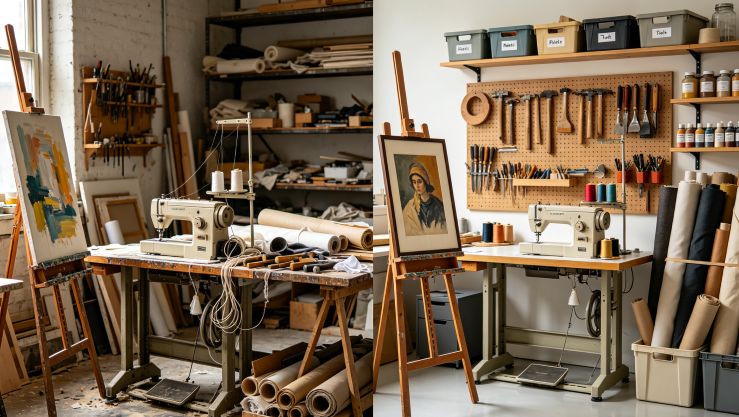
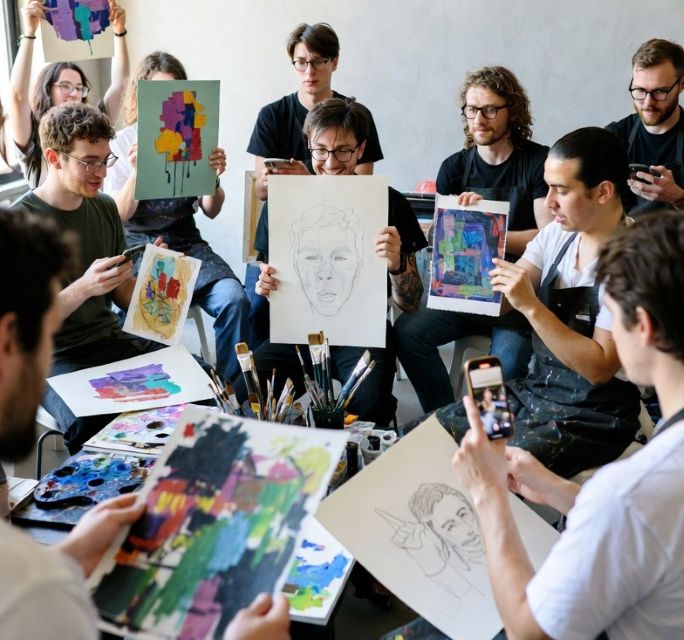

 Health, fashion, and art are some of the most active topics online today. Millions of people join digital communities to discuss fitness goals, share personal style, explore creativity, and connect with others who have similar interests. Platforms like Discord have become popular spaces for these conversations because they allow people to communicate in real time while organizing topics into dedicated channels.
 Fresh ingredients grown under the Moroccan sun have shaped daily meals for generations, which is why many diners visiting Marrakech are surprised by how naturally wellness fits into the city’s food culture. The balance of color, texture, and nutrition feels effortless here. Local chefs work with produce that is rich in flavor and grounded in tradition, giving healthy eating a stylish and artistic twist.